

From bystander to upstander: Nurturing inclusive behaviour in the workplace
From bystander to upstander: Nurturing inclusive behaviour in the workplace

5 minutes

How do you respond when you notice a teammate making an offensive comment, repeatedly talking over quieter colleagues or consistently scheduling team catch-ups at times that you all know are inconvenient for others? Behaviours like these can be damaging and reduce feelings of belonging within the team. Sometimes, people may be aware or unaware of the impact of their actions.
When you recognise that something is wrong and act to make it right, you become an upstander. But when you choose not to intervene in the face of non-inclusive behaviour, you are merely a bystander. re merely a
A bystander might stay quiet, laugh awkwardly, or hope someone else will intervene when they witness a non-inclusive moment.
An upstander responds – either in the moment or afterwards -to reinforce respect, dignity and inclusion.
Being an upstander doesn’t always mean calling someone out publicly. It can be as simple as checking in with the impacted person, redirecting a conversation, or raising the issue privately at a later time.
The impact of not addressing non-inclusive behaviour extends beyond the immediate incident. It fosters an environment where such behaviour is normalised and will continue. Apart from discrimination being punishable under Australia’s anti-discrimination laws, this type of environment can lead to unhappy employees, higher turnover rates, reduced productivity, conflict, and the loss of diverse perspectives.
Non-inclusive behaviour refers to actions or attitudes that exclude or marginalise individuals or groups, making them feel unwelcome or undervalued. This type of behaviour can manifest in various forms, including (but not limited to):
Despite their seemingly minor nature, microaggressions can accumulate over time, contributing to an unwelcoming environment.
These behaviours – small or large – can make people feel unsafe, undervalued and unable to contribute fully.
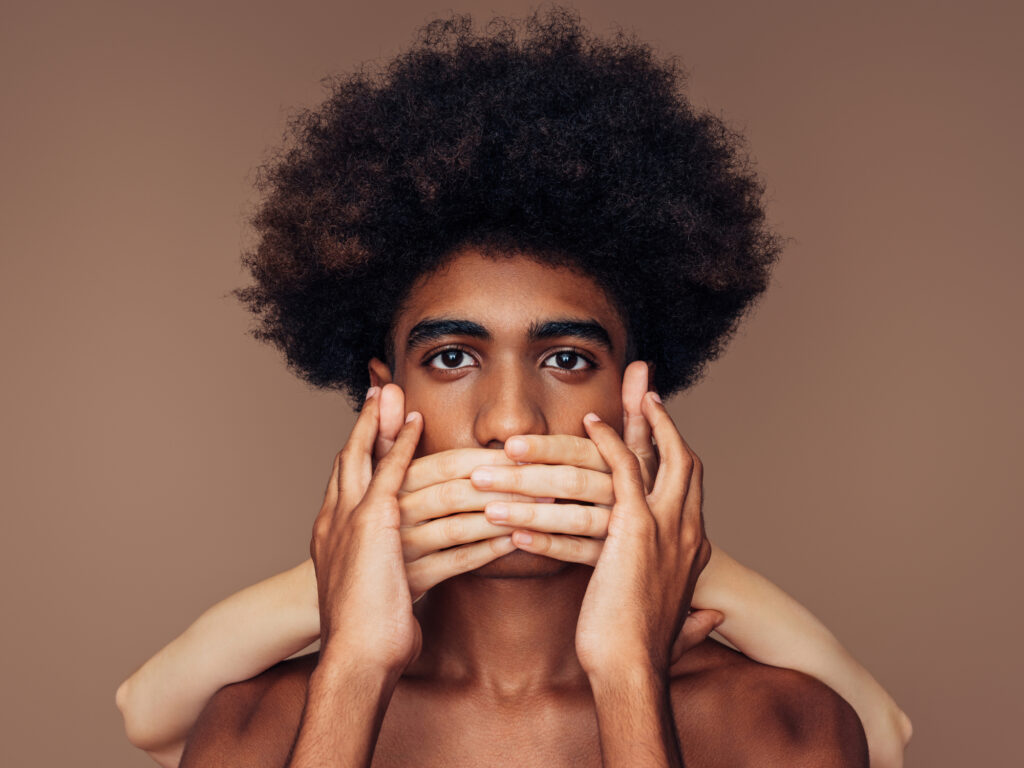
Before delving into how to become an active bystander or upstander, it’s important to understand why you or others might hesitate to act.
Often, people become bystanders not because they don’t care, but because they’re uncertain, afraid of social backlash, or assume someone else will step in. People don’t step up because they think someone else in the group will handle it. In group settings, personal responsibility gets spread out among all the members. Everyone assumes that someone else will take action, making it less likely that anyone actually will.
Another reason non-inclusive behaviour persists is that people don’t know how or what to say when faced with it. This can lead to silence or inaction, which can be perceived as tacit approval of the behaviour. Many people may fear saying the wrong thing, causing further harm, or facing backlash, so they choose to avoid addressing the issue altogether. If you don’t know what to say to address non-inclusive behaviour, this guide on structuring feedback using the SAID model should help you.
In some instances, people fear being excluded or alienated from their social or professional groups if they speak up. According to the 2020 study by Tessa L Dover and Cheryl Kaiser, entitled Mixed signals: The unintended effects of diversity initiatives, 4 out of 10 male managers reported feeling uncomfortable engaging in common workplace activities with women, such as mentoring, socializing, or even working alone together. This discomfort leaves women with fewer opportunities for career advancement. In their efforts to avoid allegations of discrimination, these managers unconsciously create a more discriminatory environment, harming the very individuals diversity initiatives aim to support.
When everyone thinks this way, nothing gets done. If no one speaks up, it can create the illusion that everyone else is okay with the situation, which makes it even harder for individuals to act.
Imagine you’re at a wedding. Everyone is seated, laughing and having a drink. Suddenly, your most favourite song comes on. Would you be the first one up to dance by yourself? Or would you wait until a small group started dancing before you’d feel comfortable joining in.
Being an inclusion role model is a lot like this. It can be incredibly hard to be the first one to step up, to lead the way, and to put yourself out there. It requires vulnerability, authenticity, and courage. But once a few brave people get up on that dance floor, more and more people usually follow until it’s full.
Although it’s challenging, being a role model for inclusion in your organisation is incredibly important, especially if you are a leader. When you lead the way, others will follow.
You can start your journey to being a role model by:
In any situation involving non-inclusive behaviour, you have a choice to make: you can either be a bystander or an upstander. By choosing to be an upstander rather than a bystander, you take an active role in shaping a more inclusive and supportive environment. Your actions can inspire others to do the same, creating a ripple effect that promotes respect, empathy, and fairness. Lead by example and encourage others to join you in making a positive difference.
Ready to practise? Use our simple model to give feedback on non-inclusive behaviour.


Hellomonday